

Pricing
Top 10 Tanzania Safari Destinations: 2026 Luxury Guide
Tanzania’s Premier National Parks & Conservation Areas: A 2026 Guide to Wildlife & Research Destinations
1. Serengeti National Park – Epicenter of the Great Migration
- Why Visit? The Serengeti is the quintessential Tanzanian safari destination, a UNESCO World Heritage Site critical for global ecology. It is famous for the Great Migration, a natural phenomenon involving the annual movement of over 1.5 million wildebeest, zebra, and gazelle following seasonal rains.
- Wildlife & Research Highlights:
- The Big Five: Reliable sightings of lion, leopard, elephant, and buffalo; robust rhino conservation efforts.
- Predator Dynamics: High density of large lion prides, cheetahs, and hyenas—an active field study area for predator-prey relationships.
- Avian Research: Over 500 avian species present unique ornithological research opportunities.
- Best Time: June to October (peak predator action); January to March (Ndutu region for the wildebeest calving season).
2. Ngorongoro Crater – The World’s Largest Intact Caldera
- Why Visit? The Ngorongoro Crater is a unique conservation area (not strictly a National Park) offering one of the highest densities of wildlife in Africa. It is an active site for both high-end tourism and paleoanthropological research (Olduvai Gorge is nearby).
- Wildlife & Research Highlights:
- High-Density Predators: Known globally for its concentrated lion population.
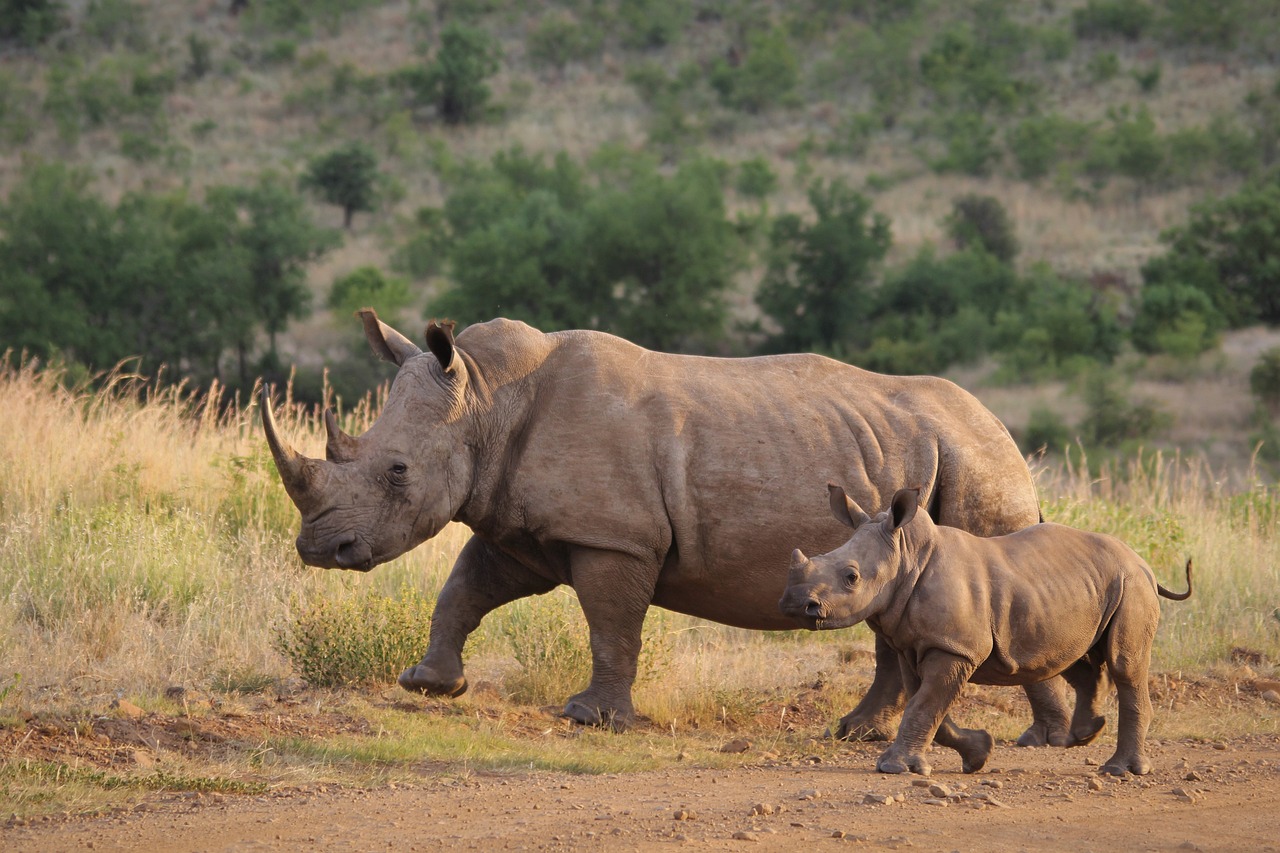
- Critically Endangered Species: A primary refuge for the rare black rhinoceros (Diceros bicornis).
- Ecosystem Study: Thousands of flamingos at Lake Magadi are a key indicator of the alkaline ecosystem’s health.
- Best Time: June to October (dry season offers high visibility); November to May (green season offers lush scenery and unique behavioral sightings).
3. Tarangire National Park – Sanctuary for Giant Elephant Herds
- Why Visit? Tarangire is an underrated gem, renowned for its massive elephant populations and iconic ancient Baobab trees that dominate the landscape. It serves as a vital dry-season refuge.
- Wildlife & Research Highlights:
- Largest Elephant Population in Northern Tanzania: Key area for elephant migration pattern research.
- Rare Antelope Species: Fringed-eared Oryx, Greater Kudu, and African Wild Dogs.
- Geological Interest: The Tarangire River sustains the ecosystem during arid periods.
- Best Time: June to October (peak dry season for spotting megafauna concentrating along the river).
4. Lake Manyara National Park – Diverse Biomes & Tree-Climbing Lions
- Why Visit? A geographically diverse park known for its alkaline lake, groundwater forests, and the famous, unique behavior of tree-climbing lions.
- Wildlife & Research Highlights:
- Primate Research: Large baboon troops offer insight into primate social dynamics.
- Avian Biodiversity: Thousands of flamingos and pelicans use the lake as a major stopover point.
- Unique Geology: Landscapes range from the Rift Valley escarpment to savannah plains.
- Best Time: June to October (best for big game); November to May (best for high-volume birdwatching).
5. Nyerere National Park (formerly Selous Game Reserve) – Africa’s Largest Remote Wilderness
- Why Visit? As Africa’s largest protected wildlife area, Nyerere offers unique aquatic safaris along the Rufiji River and an authentic, remote wilderness experience in the Southern Circuit.
- Wildlife & Research Highlights:
- Aquatic Ecosystems: Boat safaris provide access to massive hippo and crocodile populations—a unique E-E-A-T offering.
- African Wild Dog Research: Home to one of Africa’s most important populations of the endangered painted dog.
- Low-Density Tourism: Ideal for exclusive, off-the-beaten-path safaris and high-level conservation projects.
- Best Time: June to October (dry season offers concentrated wildlife viewing near the river systems).
6. Ruaha National Park – Off-the-Beaten-Path & Predator Capital
- Why Visit? Tanzania’s largest national park, Ruaha offers a rugged, less crowded safari experience with significantly high predator densities compared to the Northern Circuit.
- Wildlife & Research Highlights:
- Largest Lion Population in Tanzania: A key destination for serious wildlife photographers and researchers.
- Endangered Antelope: Rare sightings of Sable and Roan Antelope.
- E-E-A-T for Birders: Home to over 570 bird species, including endemic varieties.
- Best Time: June to October (peak dry season for predator activity along the Great Ruaha River).
7. Katavi National Park – Extreme Wilderness & Mega-Herds
- Why Visit? One of Tanzania’s least-visited parks, Katavi offers an authentic, exclusive wilderness experience famous for its massive buffalo herds and dramatic dry-season hippo populations.
- Wildlife & Research Highlights:
- Mega-Herds: Buffalo herds sometimes exceeding 1,000 individuals—a logistical marvel to witness.
- Primal Action: High lion and hyena activity along the floodplains provides dramatic viewing.
- Conservation Status: The remote location is vital for preserving species far from human conflict zones.
- Best Time: June to October (essential during the dry season when wildlife concentrations are highest).
8. Mahale Mountains National Park – Primate Sanctuary & Lake Tanganyika
- Why Visit? The world’s premier destination for chimpanzee trekking, located on the pristine shores of Lake Tanganyika, offering stunning landscapes that blend tropical forests with sandy beaches.
- Wildlife & Research Highlights:
- Habituated Chimpanzees: High chance of close, ethical encounters with habituated chimp communities—a gold standard E-E-A-T activity.
- Freshwater Ecosystem: Lake Tanganyika is a global biodiversity hotspot for endemic cichlid fish.
- Primate Diversity: Home to red colobus, vervet, and other monkey species.
- Best Time: June to October (dry season offers easier trekking conditions and high visibility).
✅ Conclusion: Why Tanzania Leads in 2026 E-E-A-T Tourism
Tanzania offers unparalleled diversity, from the Great Migration to chimpanzee trekking in Mahale. By focusing on sustainable, expert-led experiences across these vital ecosystems, you ensure your safari 2026 for both luxury travelers and professional researchers.
