
#1 Altitude Sickness on Kilimanjaro: Symptoms & How to Prevent It
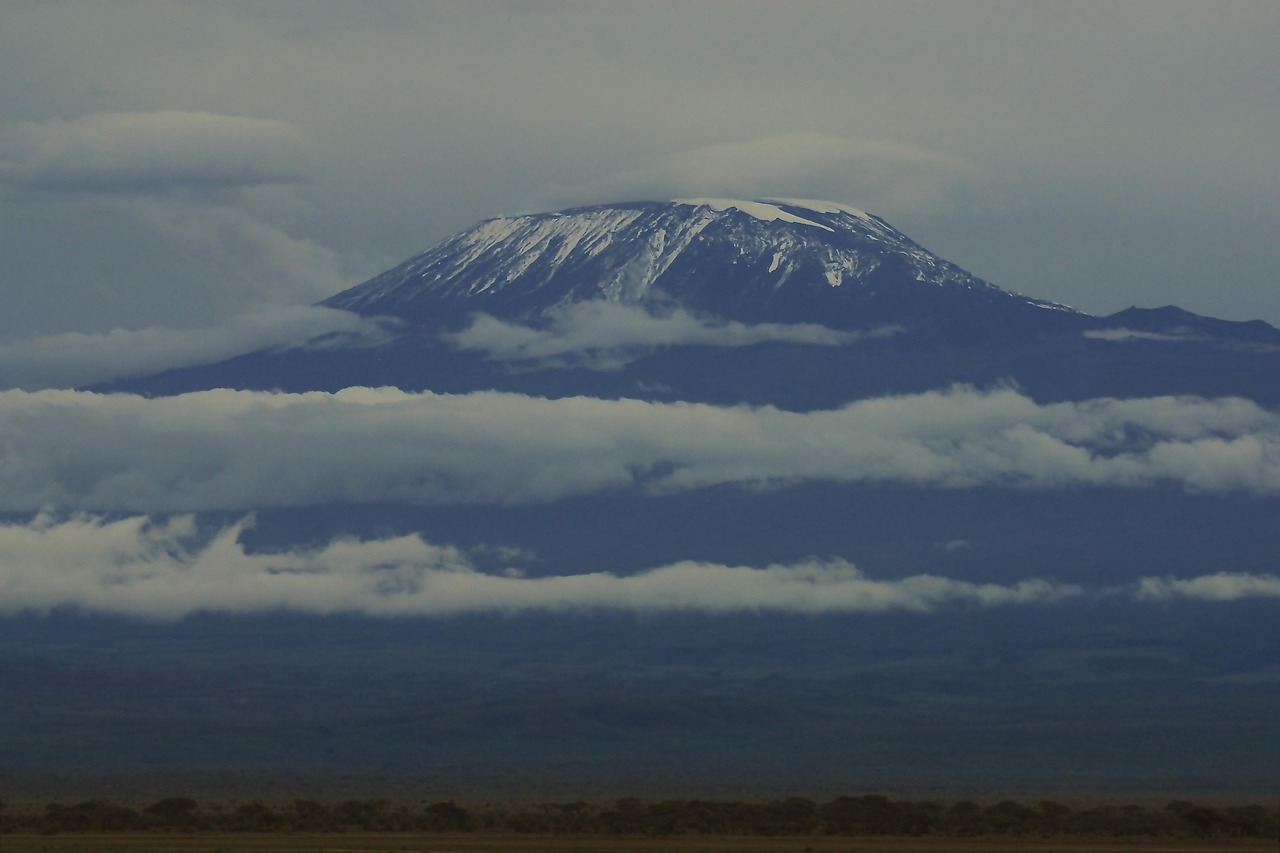
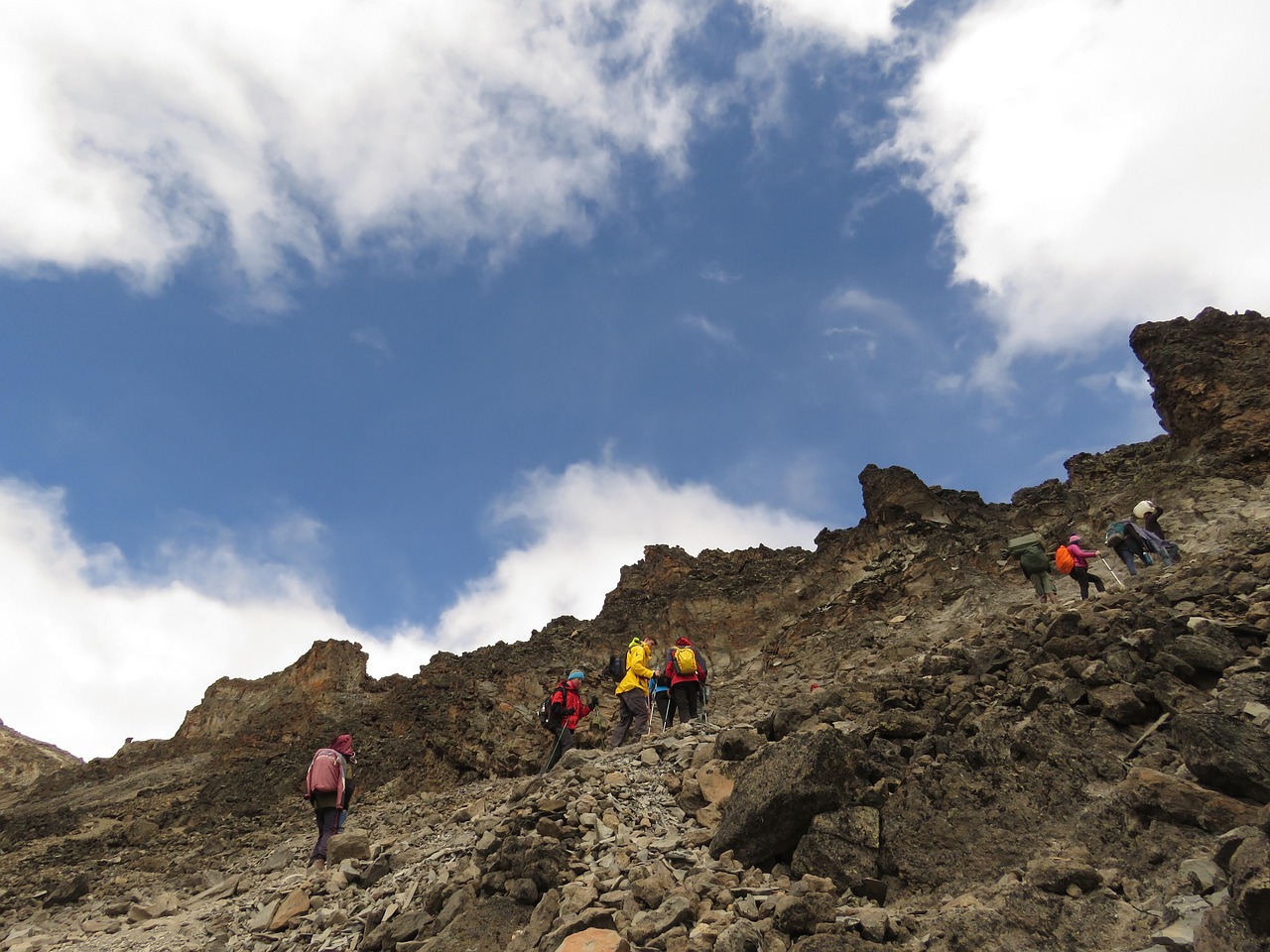
Climbing Mount Kilimanjaro is a life-changing adventure—but it’s also a high-altitude trek that demands serious preparation. At 5,895 meters (19,341 feet), the risk of altitude sickness on Kilimanjaro is real and should never be underestimated. This comprehensive guide covers everything you need to know about altitude sickness symptoms, how to prevent it, and what to do if it strikes.
🧭 What Is Altitude Sickness?
Altitude sickness, also known as Acute Mountain Sickness (AMS), is the body’s response to lower oxygen levels at high elevations. It typically occurs above 2,500 meters (8,200 feet), and Kilimanjaro’s summit is far beyond that threshold.
🌬️ Why It Happens on Kilimanjaro
The main reason is rapid ascent. Unlike other mountains where you can acclimatize over weeks, Kilimanjaro is often climbed in just 5–9 days, increasing the chances of altitude-related complications.
🩺 Common Symptoms of Altitude Sickness
Symptoms can appear within 6–24 hours of reaching higher altitudes. They vary from mild to life-threatening.
🔹 Mild AMS (Common but manageable)
Headache
Nausea or loss of appetite
Fatigue
Dizziness or light-headedness
Shortness of breath
Disturbed sleep
🔸 Moderate AMS
Severe headache unrelieved by medication
Persistent vomiting
Increased fatigue or weakness
Loss of coordination (ataxia)
🔴 Severe AMS — Can be life-threatening
HAPE (High Altitude Pulmonary Edema): fluid in the lungs
Symptoms: breathlessness at rest, chest tightness, coughing frothy sputumHACE (High Altitude Cerebral Edema): fluid in the brain
Symptoms: confusion, hallucinations, inability to walk, unconsciousness
🚨 What to Do If You Get Altitude Sickness on Kilimanjaro
Do not ascend higher. Stop and rest at your current altitude.
Inform your guide immediately — guides are trained in AMS response.
Hydrate and take prescribed medications.
Descend if symptoms worsen or don’t improve.
🟠 Note: The only true cure for altitude sickness is descent.
🛡️ How to Prevent Altitude Sickness on Kilimanjaro
✅ 1. Choose the Right Route
Opt for longer routes (7+ days) that allow for gradual acclimatization:
Lemosho Route
Northern Circuit
Machame Route (7-day)
✅ 2. Follow “Climb High, Sleep Low”
Routes like Lemosho and Machame are designed with this method, helping your body adjust gradually.
✅ 3. Hydration Is Key
Drink at least 3–4 liters per day. Dehydration worsens AMS symptoms.
✅ 4. Eat Well
Even if you’re not hungry, eating provides energy and helps with recovery and acclimatization.
✅ 5. Go Slow
Pace is crucial. Walk slowly, especially on summit night — “Pole Pole” (slowly, slowly) is the rule.
✅ 6. Consider Medication
Two popular preventive medications:
Diamox (Acetazolamide): Aids in acclimatization. Start 1–2 days before ascent.
Dexamethasone: For emergency treatment, not as a preventive measure.
Always consult your doctor before taking any altitude medication.
✅ 7. Sleep Low Where Possible
Some routes naturally descend before sleeping, helping your body adjust better.
✅ 8. Avoid Alcohol & Smoking
These reduce oxygen absorption and increase dehydration — avoid them entirely on the mountain.
💊 Medications for Altitude Sickness
| Medication | Purpose | Notes |
|---|---|---|
| Diamox | Prevent mild AMS | May cause tingling fingers, diuresis |
| Dexamethasone | Emergency treatment of AMS | For moderate-to-severe symptoms |
| Ibuprofen / Paracetamol | Headache relief | Symptom management only |
All medications should be used under medical supervision.
📈 How Altitude Affects Kilimanjaro Climbers
| Altitude Zone | Elevation | Risk Level |
|---|---|---|
| Forest Zone | 1,800–2,800 m | Low |
| Moorland Zone | 2,800–4,000 m | Moderate |
| Alpine Desert | 4,000–5,000 m | High |
| Arctic Zone (Summit) | 5,000–5,895 m | Very High |
🧠 The summit zone is where AMS is most likely to occur — caution and preparation are key.
👨⚕️ Role of Professional Kilimanjaro Guides
Reputable operators like Olduvai Tours Tan Africa provide:
Wilderness First Responder–certified guides
Daily health checks (pulse oximeter readings)
Emergency oxygen and portable stretchers
Established evacuation procedures
Your guide is your first line of defense — always communicate how you’re feeling.
FAQs About Altitude Sickness on Kilimanjaro
📌 How common is altitude sickness on Kilimanjaro?
Mild AMS affects 70–80% of trekkers. With the right precautions, most continue the climb safely.
📌 Is Diamox necessary for Kilimanjaro?
It’s optional but widely used. It can help prevent symptoms and is especially useful on shorter routes.
📌 Can altitude sickness kill you?
In rare cases, yes — if ignored. That’s why monitoring and immediate descent in severe cases is critical.
📌 Can you acclimatize on Kilimanjaro?
Yes, but only to a limited extent due to the short climb duration. That’s why choosing longer routes is vital.
🧭 Final Thoughts
Altitude sickness is the biggest barrier between you and Uhuru Peak—but with the right preparation, awareness, and guidance, you can greatly minimize the risks.
Choose a longer route, listen to your body, stay hydrated, and trust your guides. With Olduvai Tours Tan Africa, you’ll have expert support every step of the way to ensure your Kilimanjaro climb is safe, successful, and unforgettable.
Chat with our expert direct via email!
Request Your Tour Today!
Why Book With Olduvai Tours Tanzania Africa?
✅ Professional and knowledgeable local guides
✅ Customized safari experiences tailored for you
✅ Comfortable and safe safari vehicles
✅ Authentic accommodation options
✅ Excellent customer service from start to finish
