
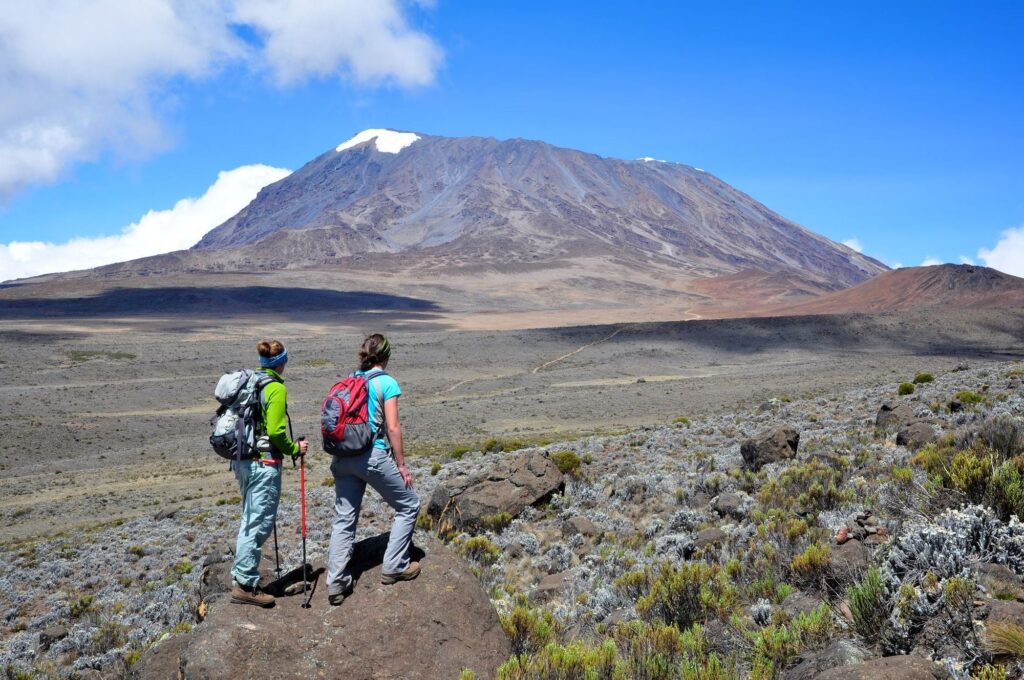
kilimanjaro-altitude-sickness-prevention guide /Hikers making steady progress up Kilimanjaro, staying safe.
Kilimanjaro High Altitude Sickness Prevention Guide 2026+
See MoreClimbing Mount Kilimanjaro is an unforgettable adventure, but proper Kilimanjaro altitude sickness prevention is essential for a safe and enjoyable trek. Due to the mountain’s extreme elevation, many climbers experience altitude-related symptoms if they ascend too quickly or fail to acclimatize correctly. This guide explains how to prevent altitude sickness, recognize early warning signs, and increase your chances of reaching the summit safely.
What Is Altitude Sickness on Kilimanjaro?
Altitude sickness, also known as Acute Mountain Sickness (AMS), occurs when your body struggles to adapt to lower oxygen levels at high elevations. On Kilimanjaro, symptoms can begin as low as 2,500 meters and become more severe as you climb higher.
Common symptoms include headaches, nausea, dizziness, fatigue, and loss of appetite. Without proper Kilimanjaro altitude sickness prevention, these symptoms can worsen and force climbers to descend.
Why Kilimanjaro Climbers Are at Risk
Mount Kilimanjaro rises to 5,895 meters (19,341 feet), making it the highest free-standing mountain in the Africa. The rapid altitude gain, combined with fixed trekking schedules, increases the risk of altitude sickness even for fit and experienced hikers.
Factors that raise the risk include rapid ascent, dehydration, poor sleep, and ignoring early symptoms. Understanding these risks is the first step toward effective prevention.
Top Strategies for Kilimanjaro Altitude Sickness Prevention
Successful Kilimanjaro altitude sickness prevention depends on preparation, pacing, and listening to your body.
Gradual Acclimatization
According to WHO and CDC guidelines, the most effective way to manage altitude sickness is a gradual ascent.
Choose longer routes such as Lemosho or Northern Circuit Route 8 or 9 days, which allow more time for your body to adjust. Climb high, sleep low whenever possible, and avoid rushing between camps.
Stay Hydrated
Drink water gradually sip by sip at least 3–4 liters per day. Proper hydration helps your body transport oxygen more efficiently and reduces headaches and fatigue at altitude.
Proper Nutrition
Eat carbohydrate-rich meals to fuel your body. Even if your appetite decreases, regular eating supports acclimatization and energy levels.
Medication (Diamox)
Some climbers use acetazolamide (Diamox) to aid acclimatization. Consult a medical professional before your trip to determine if it is appropriate for you. Never use without consulting your immediate doctor.
Recognizing Symptoms Early
Early recognition is critical for Kilimanjaro altitude sickness prevention. Mild symptoms should never be ignored.
Watch for persistent headaches, nausea, dizziness, or shortness of breath at rest. If symptoms worsen, resting or descending is the safest response.
Importance of Rest and Sleep
Adequate rest allows your body to adapt to altitude. Sleeping well, even when conditions are cold or uncomfortable, plays a major role in prevention.
Guides may monitor your oxygen saturation levels daily, helping detect problems early and keep climbers safe.
Role of Experienced Guides
Climbing with licensed, experienced guides significantly improves Kilimanjaro altitude sickness prevention. Professional guides monitor symptoms, control pacing, and make safety decisions when necessary.
Final Tips for a Safe Summit
Ascend slowly and follow your guide’s pace
Drink water consistently throughout the day
Communicate symptoms honestly with your guide
Never ignore warning signs
With the right preparation and mindset, Kilimanjaro altitude sickness prevention becomes manageable, allowing you to focus on the incredible landscapes and the achievement of reaching Africa’s highest peak.
Below is an overview of the main Kilimanjaro routes and how they relate to altitude health.
Often called the “Coca-Cola Route,” Marangu is the only route with hut accommodation.
- Shorter ascent profile
- Faster altitude gain
- Higher risk of altitude sickness
- Less effective acclimatization
Best suited for trekkers with limited time, but not ideal for altitude safety.
Known as the “Whiskey Route,” Machame is one of the most popular routes.
- Steeper but more scenic
- Allows “climb high, sleep low”
- Better acclimatization than Marangu
- Higher summit success rates
A strong balance between scenery and altitude adaptation.
One of the best routes for altitude safety and success.
- Longest acclimatization profile
- Gradual altitude gain
- Lower traffic in early stages
- Lowest risk of altitude sickness
Highly recommended for trekkers prioritizing health and summit success.
Shira Route (7–8 Days)
Approaches from the west, similar to Lemosho but starts at a higher elevation.
- Scenic but starts high
- Less ideal initial acclimatization
- Often combined with Lemosho sections
Better suited for experienced high-altitude trekkers.
The only route approaching from the north.
- Drier climate
- Gradual ascent
- Less crowded
- Moderate altitude risk
A good alternative during rainy seasons.
Northern Circuit Route (8–9 Days)
The longest and most comprehensive route on Kilimanjaro.
- Maximum acclimatization time
- Circumnavigates the mountain
- Very high summit success rates
- Best route for altitude safety
Ideal for trekkers focused on health, photography, and low stress.
Umbwe Route (5–6 Days)
The steepest and most direct route.
- Rapid altitude gain
- Minimal acclimatization
- Highest altitude sickness risk
Recommended only for highly experienced climbers with prior altitude exposure.
Why Route Choice Matters for Altitude Health
Routes with longer durations and gradual altitude gain allow the body to adapt naturally to hypobaric hypoxia, significantly reducing the likelihood of AMS, HAPE, and HACE. Choosing the right route is one of the most effective altitude-safety decisions a trekker can make.
Cost of a Kilimanjaro Day Hike
Prices vary by route and operator but are generally affordable:
Hike Route | Duration | Price Range (USD per person) |
Marangu Day Hike | 6–7 hrs | $100 – $160 |
Machame Day Hike | 6–8 hrs | $120 – $180 |
Shira Plateau | Full day | $150 – $220 |
Note: Some fees include Kilimanjaro National Park entrance (mandatory), guide fees, and logistics.
Choose the Right Route. Protect Your Health. Reach the Summit.
Selecting the right Kilimanjaro route is one of the most important decisions for altitude sickness prevention and summit success. Routes with longer durations and better acclimatization profiles dramatically improve safety, comfort, and enjoyment on the mountain.
👉 Not sure which route is best for your health, fitness level, and timeline?
Let our experienced Kilimanjaro specialists help you choose Plan your Kilimanjaro climb “with proven altitude sickness prevention tips”. Stay safe, acclimatize properly, and reach the summit confidently.
✅ Get personalized route advice
✅ Maximize acclimatization and summit success
✅ Climb with safety, confidence, and expert support
[Contact us to plan your Kilimanjaro climb safely]
e-mail olduvaitourstanafrica@gmail.com
Whatsap +255752317054
