Tarangire National Park: The Paradise of Elephants | 2026 Safari Guide
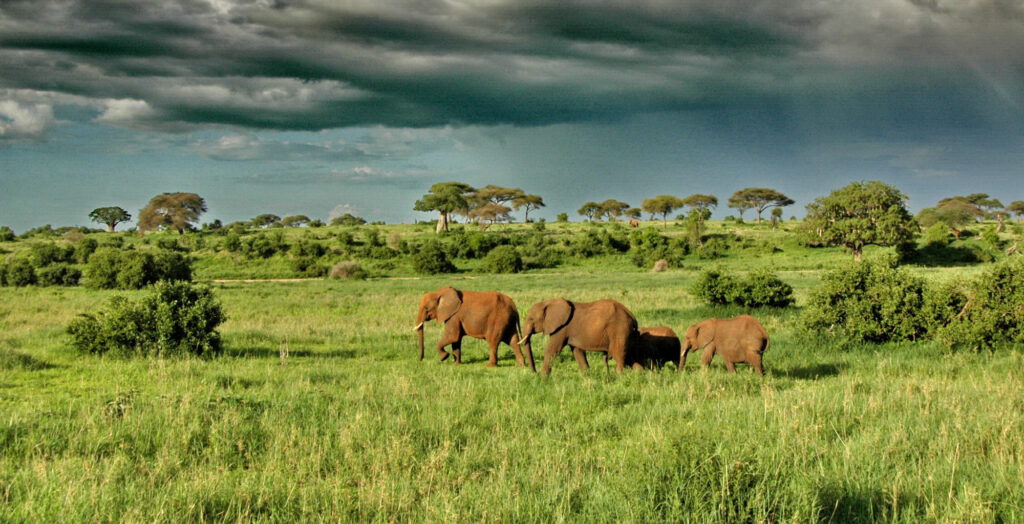
Tarangire National Park is a world-class Tanzanian safari destination renowned for holding the highest concentration of elephants in the country. Nestled in the Northern Circuit, it offers a tranquil and exclusive alternative to the busier Serengeti, characterized by its iconic giant Baobab trees and the life-giving Tarangire River.
Why Visit Tarangire National Park in 2026?
- Massive Elephant Herds: Guaranteed sightings of large families, especially near the river.
- Intimate Safari Experience: Significantly lower crowds than the Ngorongoro Crater or Serengeti.
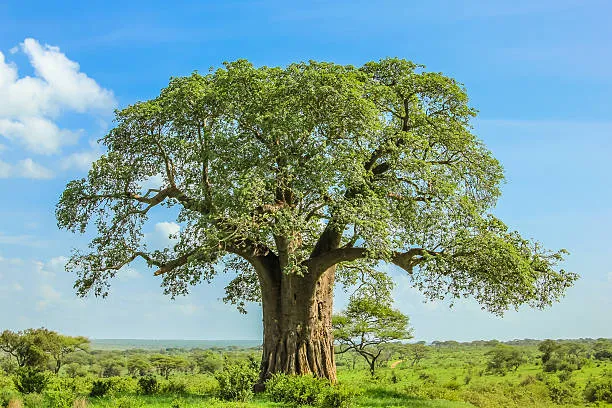
- The “Land of Giants”: Stunning landscapes dominated by prehistoric Baobab trees and massive termite mounds.
- Predator Activity: High density of lions, leopards, and cheetahs.
- Birdwatcher’s Haven: Over 550 species, including endemics like the Ashy Starling.
Top Activities & Experiences
- Day & Night Game Drives: Explore the savanna by day or witness the nocturnal world under the African stars.
- Guided Walking Safaris: Get closer to nature and learn about tracking and the “small five” on foot.
- Hot Air Balloon Safaris: Glide over the Tarangire River at sunrise for a panoramic view of the golden plains.
- Birdwatching: Spot colorful yellow-collared lovebirds and the Rufous-tailed weaver.
- Bush Meals & Picnicking: Enjoy gourmet dining in the heart of the wild.
Wildlife & Nature Highlights
1. The Paradise of Elephants
Tarangire is famous for its huge elephant population. During the dry season, these majestic giants congregate by the thousands around the Tarangire River.
2. Iconic Landscapes: Baobabs & Termite Mounds
The park is home to Baobab trees that can live up to 300 years. Additionally, the landscape is dotted with massive termite mounds—often used by dwarf mongooses and as observation points for cheetahs.
3. Diverse Fauna
- Big Cats: Lions, Leopards, and Cheetahs.
- Unique Ungulates: Eland, Oryx, and Greater Kudu.
- Classic Safari Species: Giraffes, Zebras, Wildebeests, and Buffalos.
- Python: Look up—Tarangire is famous for its tree-climbing pythons.
Essential Travel Information
Best Time to Visit
- Dry Season (June – October): Peak wildlife viewing. Animals migrate from the surrounding ecosystems to the Tarangire River, creating incredible density.
- Wet Season (November – May): Best for birding and “Green Season” photography. The landscape is lush, and tourist numbers are at their lowest.
- By Road: A scenic 121 km drive (approx. 2 hours) on tarmac roads from Arusha.
- By Air: Flights are available from Kilimanjaro International (JRO) or Arusha Airport (ARK) to Kuro Airstrip, located inside the park.
- Inside the Park: Permanent luxury lodges, seasonal tented camps, and public campsites.
- Budget Options: TANAPA-managed rest houses and student hostels.
- Outside the Park: Exclusive boutique lodges with views over the park boundaries.
- Connectivity: Tarangire is often more cost-effective than the Serengeti, making it ideal for high-value safaris.
- Sustainability: By visiting, you support TANAPA (Tanzania National Parks) in wildlife conservation and local community livelihoods.
- Photography: Use the early morning light for the best shots of Baobabs silhouettes and the “silver ribbons” of the river.
is a central hub for Tanzania’s Northern Safari Circuit. In 2026, it remains seamlessly connected to other major wildlife destinations via a network of well-maintained roads and regional flight routes.