
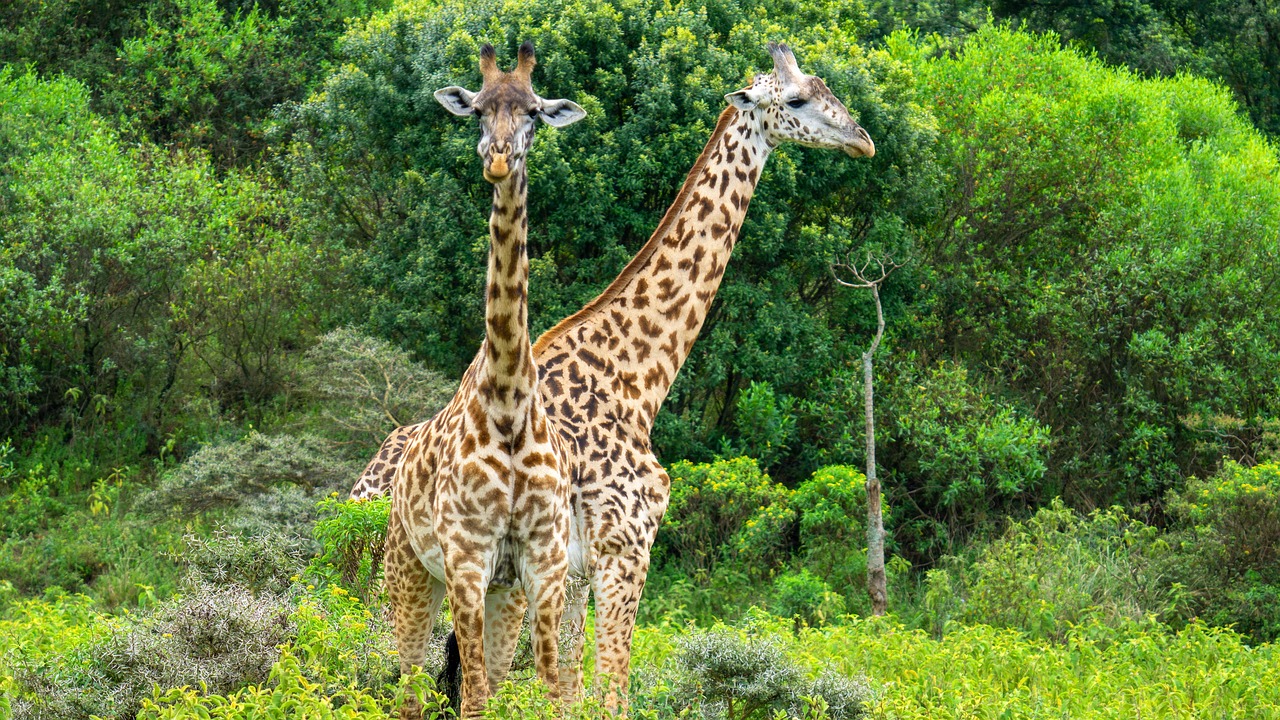
Learn Life Lessons from Wildlife on a Tanzania Safari
A Tanzania wildlife safari is more than an adventure — it’s a chance to observe nature’s wisdom and discover how lifestyle shapes health. While humans often struggle with tooth decay, high blood pressure, diabetes, and other lifestyle-related diseases, wild animals rarely face these problems.
Why?
The answer lies in lifestyle.
By watching animals in their natural environment, we can learn simple, powerful lessons to upgrade our own lives.
Why Humans Experience Tooth Decay While Wild Animals Do Not
Modern humans consume diets high in refined sugars, soft drinks, and processed foods (WHO). These sticky, soft foods fuel acid-producing bacteria in the mouth, eroding enamel and causing cavities.
Wild animals, on the other hand:
-
Chew raw, fibrous foods that naturally clean teeth
-
Eat diets low in sugar and highly abrasive foods
-
Have teeth spaced and shaped to prevent plaque accumulation
Even primates in the wild rarely develop cavities, except when eating soft, sugar-rich fruits. The lesson is clear: what we eat and how we chew has a direct impact on our dental health.
Why Humans Get High Blood Pressure While Wild Animals Do Not.
In the wild, movement is constant. Animals walk long distances, hunt, forage, migrate, and remain physically active throughout their lives. Their bodies are in continuous motion because survival depends on it. There is no prolonged sitting, no desk jobs, and no screen time.
Humans, however, have dramatically reduced daily movement. Many people:
-
Sit for long hours at work
-
Drive instead of walking
-
Spend leisure time on phones and computers
-
Engage in minimal physical activity
This sedentary lifestyle plays a major role in the development of high blood pressure.
When the human body remains inactive for extended periods:
-
Blood vessels become stiffer and less flexible
-
Circulation slows down
-
The heart must pump harder to move blood
-
Excess body weight increases strain on the cardiovascular system
Over time, this leads to hypertension.
Wild animals rarely develop chronic high blood pressure because their lifestyle naturally protects them. Constant movement keeps their blood vessels flexible, their hearts strong, and their metabolism efficient. Their diets are also natural and low in processed salt, which further supports healthy blood pressure levels.
In simple terms, wild animals live in alignment with how their bodies were designed to function — active, mobile, and physically engaged. Humans were designed the same way, but modern living has separated us from that natural state.
Observing wildlife reminds us that movement is not just exercise — it is a natural defense against high blood pressure.
