
#1 How to Prepare for a Kilimanjaro Climb: Training & Fitness Tips
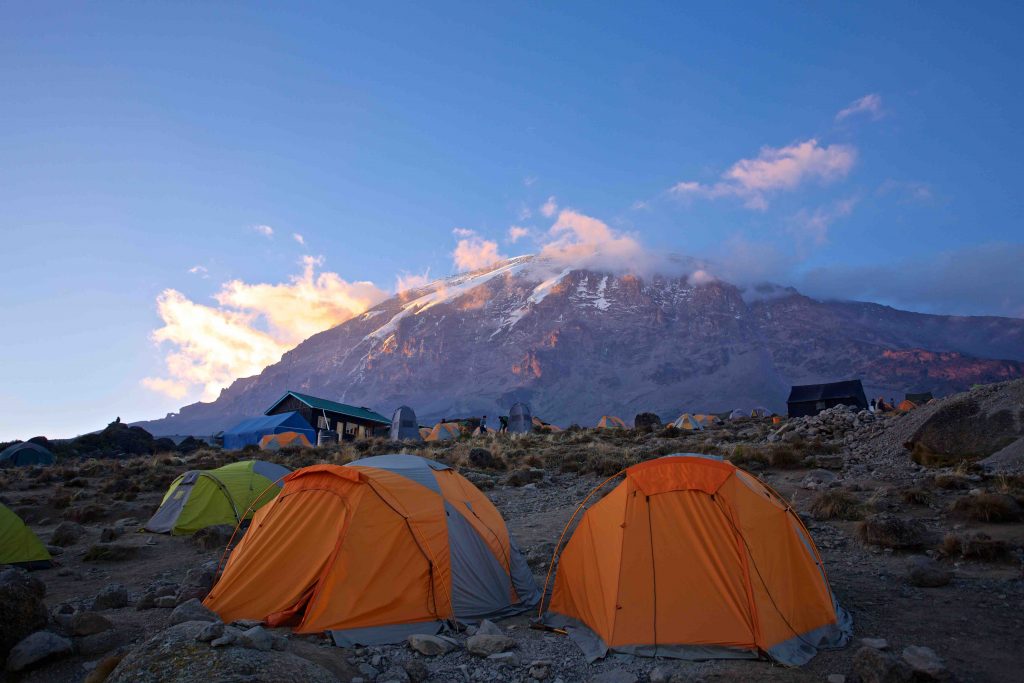

Climbing Mount Kilimanjaro, Africa’s highest peak at 5,895 meters, is one of the most rewarding adventures on the continent. But reaching Uhuru Peak isn’t just about showing up—it requires strategic physical preparation, mental resilience, and proper acclimatization.
In this guide, you’ll learn exactly how to train for Kilimanjaro, build stamina, prevent altitude sickness, and increase your chances of a successful summit.
🧗 Why Training Matters for Kilimanjaro
While Kilimanjaro is a non-technical trek, it involves long hiking days, steep ascents, thin air at altitude, and camping in tough conditions. Poor preparation is a leading cause of failed summits, fatigue, and health issues.
A solid training plan prepares your body to:
Hike 5–8 hours per day
Handle altitude with minimal risk of Acute Mountain Sickness (AMS)
Manage fatigue on summit night (10–15 hours of continuous effort)
Stay injury-free over 6–9 days of trekking
🏃 Recommended Fitness Level for Kilimanjaro
You don’t need to be a mountaineer, but you should be:
Comfortable with long hikes (10–20 km per day)
Able to hike uphill with a daypack for multiple days
Mentally tough to push through cold, exhaustion, and altitude symptoms
Goal: Build cardiovascular endurance, leg strength, core stability, and mental stamina.
📆 Kilimanjaro Training Plan (8–12 Weeks)
Here’s a sample 12-week Kilimanjaro fitness plan:
✅ Week 1–4: Build Endurance
3–4 cardio workouts/week (45–60 mins): brisk walking, hiking, jogging, stair climbing, swimming, or cycling
2 strength sessions/week: focus on legs (lunges, squats, step-ups), core (planks, crunches), and balance
Weekend: 1 long hike or walk (gradually increase from 5km to 12km)
✅ Week 5–8: Increase Intensity
Add incline hiking or stair workouts
Wear a daypack with 5–7kg to simulate trail conditions
Include long hikes of 15–20 km once a week
Continue strength training and include flexibility exercises (yoga or stretching)
✅ Week 9–12: Altitude Simulation & Peak Training
Back-to-back hikes (2 consecutive days) to mimic trail fatigue
Try to reach higher altitudes on hikes if possible
Maintain cardio and strength, reduce intensity one week before departure
🥾 Hiking-Specific Training Tips
Stair climbing: Use a stair machine or climb real stairs with a weighted pack
Hill repeats: Hike up a hill multiple times to build climbing strength
Trail hikes: Train on uneven terrain to improve ankle and foot stability
Trekking poles: Practice using poles to save energy and reduce knee strain
🧘 Flexibility, Balance & Recovery
Don’t skip mobility and recovery work:
Stretch after each session
Use a foam roller to loosen tight muscles
Improve balance with single-leg exercises
Practice breathing techniques (especially nose breathing and diaphragmatic breathing)
💨 Altitude Acclimatization Tips
Training at sea level won’t eliminate the effects of high altitude—but it can help your body adapt faster. Here’s how to prepare:
Choose longer routes on Kilimanjaro (Lemosho or Northern Circuit) for gradual altitude gain
Climb high, sleep low whenever possible on the trail
Practice slow, consistent pacing during training
Hydrate well and avoid overexertion
Optional:
Use altitude simulation masks or sleep in altitude tents (if available)
Hike in nearby mountains (if accessible) above 2,000–3,000 m before your trip
🧳 Pre-Trip Preparation: Gear & Packing Training
Don’t wait until you arrive in Tanzania to test your gear:
Break in hiking boots well in advance
Practice hiking with your daypack fully loaded
Wear your trekking clothes and layers during training hikes
Familiarize yourself with your camelback or water bottles, trekking poles, gloves, and headlamp
🧠 Mental Preparation
Summit night on Kilimanjaro can be brutally tough—cold, steep, and long. Mental preparation is just as important as physical.
Tips to boost mental toughness:
Set mini-goals on each hike
Learn to push through discomfort (without injury)
Meditate or visualize reaching the summit
Join a group hike or training program for accountability
🍽️ Nutrition & Hydration Tips
Fuel your body with complex carbs, lean proteins, and healthy fats
Stay hydrated during all training sessions
Avoid drastic diets or weight loss regimens before the climb
Learn to eat and drink while hiking to avoid bonking (energy crash)
🚫 Mistakes to Avoid
❌ Skipping long hikes and relying only on gym workouts
❌ Not testing boots and gear before departure
❌ Ignoring recovery and rest days
❌ Overtraining too close to departure (taper 5–7 days before your climb)
❌ Underestimating summit night—it’s the hardest day of the trek
📌 Final Thoughts: Start Early, Train Smart
The key to a successful Kilimanjaro summit is consistent, structured preparation. Start training at least 8–12 weeks before your trip, or longer if you’re new to hiking. Focus on endurance, elevation, and mental resilience—these will carry you through the toughest moments on Africa’s highest mountain.
💬 Ready to take on Kilimanjaro?
Let Olduvai Tours Tan Africa help you plan the perfect route, provide personalized preparation tips, and guide you all the way to Uhuru Peak. Contact us for expert advice and tailor-made Kilimanjaro climbing packages.
Chat with our expert direct via email!
Request Your Tour Today!
Why Book With Olduvai Tours Tanzania Africa?
✅ Professional and knowledgeable local guides
✅ Customized safari experiences tailored for you
✅ Comfortable and safe safari vehicles
✅ Authentic accommodation options
✅ Excellent customer service from start to finish
