Ngorongoro Crater Safari
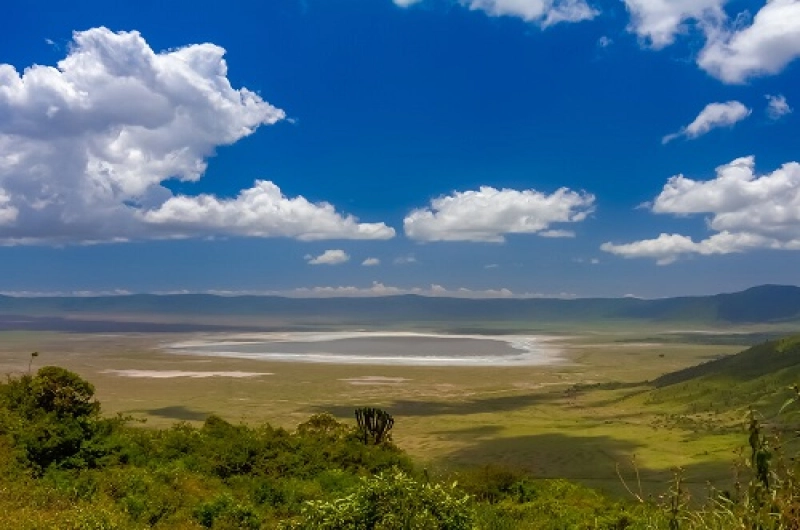
The Ngorongoro Area Safari offers one of Africa’s most extraordinary wildlife and geological experiences. Located within the Serengeti ecosystem of northern Tanzania, the Ngorongoro Conservation Area (NCA) is home to the world’s largest intact volcanic caldera known as the Ngorongoro Crater — and over 25,000 large animals.
Recognized as a UNESCO World Heritage Site (1979) and granted Mixed Heritage Status in 2010 for both natural and cultural importance, Ngorongoro combines wildlife, archaeology, geology, and Maasai pastoral culture in one unique protected landscape.
The Origin of the Name “Ngorongoro”
The name “Ngorongoro” is believed to come from the Maasai expression “orgirra le kkorongorro,” meaning “Big Bowl,” referring to the shape of the crater. It is also associated with the sound of cowbells — “ngoro ngoro” — heard across the highlands.
Geography of the Ngorongoro Conservation Area
Ngorongoro lies in the southeastern portion of the greater Serengeti ecosystem. It borders:
Serengeti National Park to the northwest
The Loliondo plains to the north
Volcanic highlands to the south and east
The area includes:
Ngorongoro Crater
Empakaai Crater
Olmoti Crater
Serengeti Plains (within NCA)
Salei Plains
Olduvai Gorge
Gol Mountains
The eastern boundary is defined by the Great Rift Valley escarpment, which influences wildlife movement patterns.
Geology and Formation
The Ngorongoro volcanic complex formed during the Pliocene epoch (around 2–3 million years ago). It consists of extinct shield volcanoes including:
Ngorongoro Volcano
Olmoti
Empakaai
Loolmalasin
Sadiman
Lemagrut
Oldeani
The Ngorongoro Crater itself was formed approximately 2.5 million years ago when a massive volcano — possibly as tall as Mount Kilimanjaro — erupted and collapsed inward, creating a caldera 610 meters deep and about 20 kilometers wide.
The crater floor lies at 1,800 meters above sea level and covers 260 square kilometers.
Ngorongoro Crater – The Natural Wonder
The Ngorongoro Crater is:
-
The world’s largest intact and unfilled volcanic caldera
-
One of Africa’s Seven Natural Wonders
-
The main attraction of the Ngorongoro Conservation Area
The crater contains diverse habitats including:
-
Open grasslands
-
Lerai Forest
-
Goringop Swamp
-
Seasonal Lake Magadi
-
Freshwater springs like Ngoitokitok
This enclosed ecosystem supports extraordinary wildlife density.
Wildlife in Ngorongoro Crater
Approximately 25,000 large animals live within the crater.
Big Five Animals:
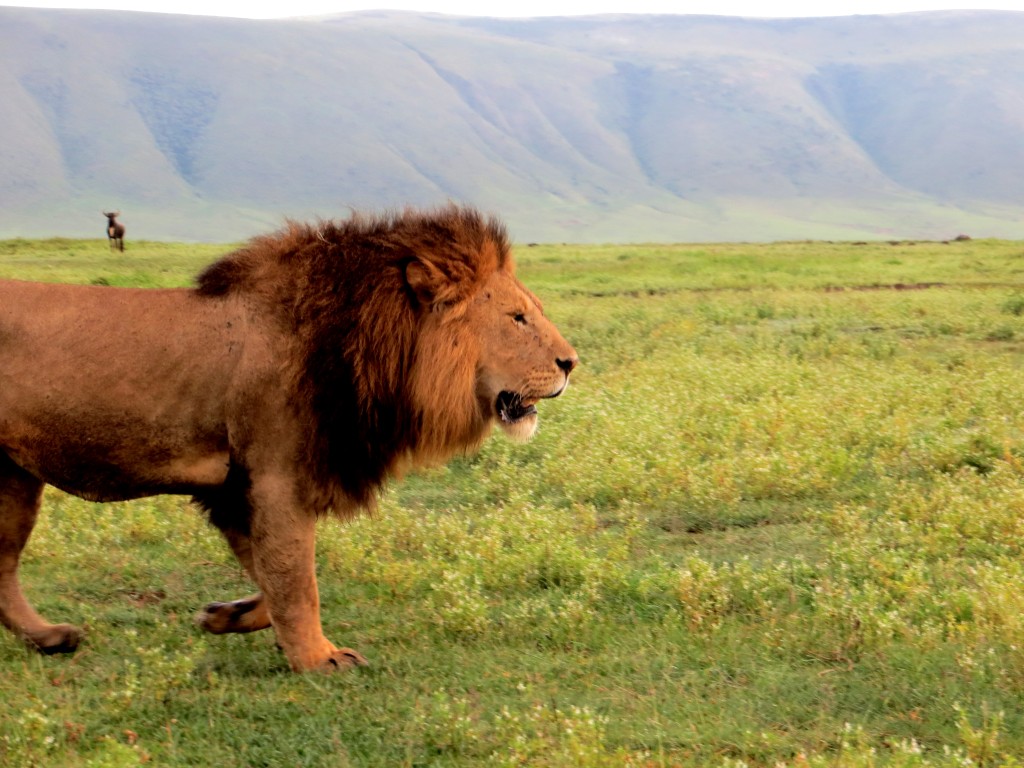
Lions
-
Elephant
-

Experience Elephant in Ngorongoro Crater -
Buffalo
The crater is one of the best places in Tanzania to see the endangered black rhino.
Other Wildlife Includes:
-
Wildebeest
-
Zebra
-
Thomson’s gazelle
-
Grant’s gazelle
-
Eland
-
Waterbuck
-
Hippopotamus
-
Hyena
-
Jackal
-
Serval
Lake Magadi often attracts thousands of flamingos.
Although the crater is often described as a “natural enclosure,” many wildebeest and zebras migrate seasonally in and out depending on rainfall.
Lions of Ngorongoro
Ngorongoro Crater has one of the densest lion populations in Africa. However, due to its natural enclosure, the lion population experiences limited gene flow and periodic disease outbreaks.
Long-term conservation and research programs continue to monitor the pride dynamics and health of these iconic predators.
Add Your Olduvai Gorge – The Cradle of HumanityHeading Text Here
Within the Ngorongoro Conservation Area lies Olduvai Gorge (Oldupai Gorge), one of the most important paleoanthropological sites in the world.
Here, fossils of early human ancestors such as Homo habilis and Paranthropus boisei were discovered. Evidence suggests hominids occupied this region at least 1.75 million years ago.
Excavations began in the 1950s and continue today, making this area central to understanding human evolution.
Cultural History of Ngorongoro
Human presence in Ngorongoro spans thousands of years.
-
Early hunter-gatherers lived here
-
Iraqw people arrived around 2,000 years ago
-
Datooga settled around 1700
-
Maasai pastoralists became dominant in the 1800s
The Ngorongoro Conservation Area was officially separated from Serengeti National Park in 1959 to allow Maasai pastoralists to live alongside wildlife.
Today, Ngorongoro remains Tanzania’s only conservation area that permits human habitation alongside wildlife.
The Great Migration in Ngorongoro
The annual migration of:
-
1.7 million wildebeest
-
260,000 zebras
-
470,000 gazelles
Passes through parts of the Ngorongoro Conservation Area, especially the Ndutu plains.
Migration patterns depend on seasonal rainfall.
Why Visit Ngorongoro Area Safari?
A Ngorongoro Area Safari offers:
-
One of the easiest places to spot the Big Five
-
Exceptional photography opportunities
-
Unique geological landscapes
-
Cultural interaction with Maasai communities
-
Access to Olduvai Gorge
-
High wildlife concentration year-round
Few places in Africa combine wildlife, archaeology, geology, and living culture in one destination.
Best Time to Visit Ngorongoro
Ngorongoro is a year-round destination.
-
June–October: Dry season, best wildlife viewing
-
December–March: Migration calving season in Ndutu plains
-
April–May: Green season, fewer tourists
Plan Your Ngorongoro Area Safari
Whether combined with Serengeti, Tarangire, Lake Manyara, or as part of a longer northern circuit safari, Ngorongoro is a must-visit highlight of Tanzania.
Contact us to design your customized Ngorongoro Area Safari experience.
Ngorongoro Conservation Area Itineraries
1️⃣ 1 Day Ngorongoro Crater Safari
-
Early morning descent into the crater
-
Big Five game drive
-
Hippo pool picnic lunch
-
Late afternoon return
👉 Perfect for short stay travelers
2️⃣ 2 Days Tarangire & Ngorongoro Safari
Day 1: Tarangire National Park
Day 2: Ngorongoro Crater
👉 Elephants + Big Five combination
3️⃣ 2 Days Ngorongoro & Lake Manyara
Day 1: Lake Manyara National Park
Day 2: Ngorongoro Crater
👉 Tree-climbing lions + crater wildlife
4️⃣ 3 Days Serengeti & Ngorongoro Safari
Day 1: Serengeti National Park
Day 2: Serengeti Game Drive
Day 3: Ngorongoro Crater
👉 Great Migration + Crater combo
5️⃣ 3 Days Tarangire, Ngorongoro & Lake Manyara
Classic Northern Circuit short safari.
6️⃣ 4 Days Serengeti, Ngorongoro & Tarangire
Balanced wildlife adventure.
7️⃣ 5 Days Serengeti & Ngorongoro Safari
More time in Serengeti + full crater day.
8️⃣ 6 Days Northern Circuit Safari
-
Tarangire
-
Lake Manyara
-
Serengeti
-
Ngorongoro
👉 Most requested itinerary
9️⃣ Ngorongoro Crater & Olduvai Gorge Tour
-
Crater game drive
-
Visit Olduvai Gorge
-
Optional Laetoli Footprints
👉 Wildlife + human origins
🔟 Ngorongoro Highlands Walking Safari
-
Empakaai Crater
-
Olmoti Crater
-
Maasai cultural visit
👉 Scenic + cultural experience
❓ Frequently Asked Questions – Ngorongoro Safari
1. What is special about Ngorongoro Crater?
Ngorongoro Crater is the world’s largest unbroken volcanic caldera and one of the best places in Africa to see the Big Five in a single day. Its enclosed ecosystem supports an incredible concentration of wildlife year-round.
2. Can I see the Big Five in Ngorongoro?
Yes. Ngorongoro offers excellent chances to see lion, elephant, buffalo, leopard, and the endangered black rhino.
3. How many days do I need for Ngorongoro Safari?
You can visit Ngorongoro in 1 day, but most travelers combine it with Serengeti, Tarangire, or Lake Manyara for a 3–6 day Northern Circuit safari.
4. When is the best time to visit Ngorongoro?
Ngorongoro is a year-round destination. The dry season (June–October) offers easier wildlife viewing, while the green season (November–May) provides lush scenery and fewer crowds.
5. Is Ngorongoro suitable for families?
Yes. Ngorongoro is ideal for families because wildlife viewing is concentrated within the crater, reducing long driving distances.
6. Can I combine Ngorongoro with Olduvai Gorge?
Absolutely. Olduvai Gorge is located within the Ngorongoro Conservation Area and can easily be included in your safari itinerary.
7. What type of accommodation is available near Ngorongoro?
Options range from luxury crater rim lodges to mid-range tented camps and budget camping safaris. We tailor accommodation based on your budget and comfort preference.
Experience the World’s Most Spectacular Wildlife Crater
Descend into the Ngorongoro Crater — the largest intact volcanic caldera on Earth — where lions, elephants, rhinos, buffalo, and flamingos share one breathtaking ecosystem.
Whether you are planning a luxury safari, a private family adventure, or a short Northern Circuit tour, we design your Ngorongoro experience with expert guides, comfortable accommodations, and seamless logistics.
Your Tanzania adventure deserves professional planning.
👉 Ready to Explore Ngorongoro?
📱 WhatsApp: https://wa.me/255752317054
📧 Email: mailto:olduvaitourstanafrica@gmail.com
Request your customized Ngorongoro Safari itinerary today.