
- Tanzania - East Africa
How Do I Prepare for a Kilimanjaro Climb? – Complete Guide
Chat with our expert direct via email!
How Do I Prepare for a Kilimanjaro Climb?
Complete Scientific & Practical Guide
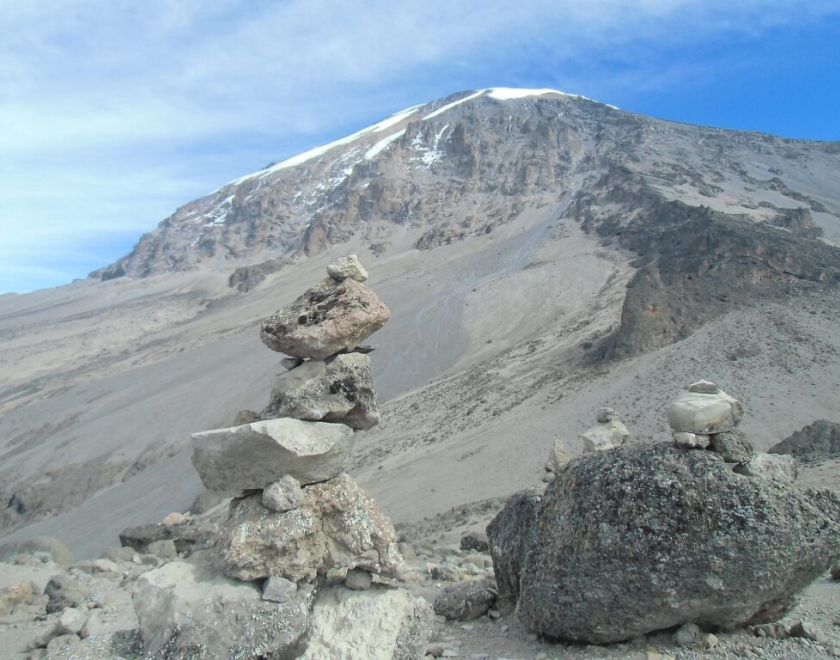
Mount Kilimanjaro (5,895 m / 19,341 ft) is Africa’s highest peak and the world’s tallest free-standing mountain. Although it does not require technical climbing skills, success on Kilimanjaro depends heavily on physiological adaptation, physical conditioning, and mental resilience. Proper preparation directly affects your safety, health, and summit success.
This guide explains how to prepare for a Kilimanjaro climb using proven biological, medical, and training principles.
1. Physical Preparation (Exercise Physiology)
Kilimanjaro is an endurance challenge, not a strength contest. Most climbers walk 5–8 hours per day at altitude while carrying a daypack.
Recommended Training (8–12 Weeks)
Cardiovascular Training
Running, cycling, stair climbing, swimming
3–4 sessions per week
Improves oxygen uptake (VO₂ max) and endurance
Hiking-Specific Training
Hill or mountain hikes with a backpack
Trains muscles used in long ascents and descents
Strength & Stability
Legs: squats, lunges, step-ups
Core: planks, back extensions
Improves posture and reduces fatigue
Stamina Conditioning
Practice walking 6–8 hours continuously
Mimics real Kilimanjaro trekking days
📌 Biological benefit: Training improves cardiovascular efficiency, muscular endurance, and fatigue resistance — all critical at altitude.
2. Altitude Acclimatization (Human Biology)
Altitude sickness occurs due to reduced oxygen pressure at high elevations. At Uhuru Peak, oxygen availability is about 50% of sea level.
How the Body Adapts
Increased breathing rate
Increased red blood cell production
Improved oxygen delivery to tissues
This process takes time, not fitness.
Best Acclimatization Practices
Choose longer routes (7–9 days) like Lemosho or Northern Circuit
Follow “climb high, sleep low” strategy
Drink 3–4 liters of water daily
Maintain slow pace (pole pole)
Consider Diamox (Acetazolamide) under medical advice
📌 Scientific fact: Slow ascent is the single most important factor in preventing Acute Mountain Sickness (AMS).
3. Mental Preparation (Psychology of Endurance)
Kilimanjaro is as much a mental challenge as a physical one, especially on summit night.
Mental Readiness Tips
Accept discomfort (cold, fatigue, simple facilities)
Maintain positive mindset and patience
Focus on rhythm and breathing
Trust your guide and pacing
📌 Psychological insight: Calm, steady pacing reduces stress hormones, conserving energy and improving oxygen efficiency.
4. Choosing the Right Route (Risk Management)
Route choice directly affects altitude exposure and success rate.
| Route | Days | Acclimatization | Suitability |
|---|---|---|---|
| Marangu | 5–6 | Poor | Not ideal for beginners |
| Machame | 6–7 | Good | Popular & scenic |
| Lemosho | 7–8 | Very good | Excellent for first-timers |
| Northern Circuit | 9 | Best | Highest success rate |
| Rongai | 6–7 | Moderate | Drier route |
| Umbwe | 5–6 | Poor | Experts only |
📌 Biological principle: Longer routes allow gradual oxygen adaptation, reducing AMS risk.
5. Packing the Right Gear (Thermoregulation & Safety)
Kilimanjaro exposes climbers to five climate zones, from rainforest to arctic.
Essential Gear
Layered clothing (base, insulation, shell)
Down jacket for summit night
Waterproof outerwear
Broken-in hiking boots
4-season sleeping bag (−15°C rated)
Headlamp, gloves, hat, sunglasses
Trekking poles (reduce joint strain)
Hydration system (3L capacity)
📌 Scientific reason: Layering regulates body temperature and prevents hypothermia at high altitude.
6. Medical & Health Preparation
Recommended Health Measures
Vaccinations: Tetanus, Hepatitis A/B, Yellow Fever (if applicable)
Malaria prophylaxis (for lowland Tanzania)
Personal medical check-up
High-altitude travel insurance (up to 6,000 m)
First-aid kit with blister care and AMS medication
📌 Medical advice: Always consult your doctor before taking altitude medication.
7. Nutrition & Hydration (Energy Metabolism)
At altitude, appetite may decrease while calorie needs increase.
Best Practices
Eat carbohydrate-rich meals
Consume warm soups and fluids
Snack frequently (nuts, bars, chocolate)
Drink consistently, not all at once
📌 Biological fact: Carbohydrates require less oxygen to metabolize than fats, making them ideal at altitude.
8. Choosing a Reputable Operator (Safety Systems)
A professional operator improves both safety and success rates.
What to Look For
Licensed Kilimanjaro operator
Certified mountain guides
Oxygen and pulse oximeters
Ethical porter treatment
Emergency evacuation protocols
📌 Risk reduction: Experienced guides recognize AMS early and take immediate action.
9. Summit Night – Physiological Reality
Summit night begins around midnight in extreme cold and low oxygen.
What Happens to Your Body
Slower movement due to hypoxia
Increased breathing and heart rate
Mental fatigue and cold stress
Preparation Tips
Wear all thermal layers
Use trekking poles
Move slowly and steadily
Focus on breathing and steps
📌 Key rule: The summit is optional — safe descent is mandatory.
10. Final Preparation Checklist
✅ Train 8–12 weeks
✅ Choose a 7+ day route
✅ Acclimatize properly
✅ Pack correct gear
✅ Prepare mentally
✅ Get medical clearance
✅ Secure altitude insurance
✅ Book a reputable operator
✅ Stay hydrated and well-nourished
Conclusion
Preparing for a Kilimanjaro climb is a scientific and strategic process. Success depends on physical conditioning, altitude adaptation, mental resilience, proper gear, and professional support.
By respecting the biology of high altitude and preparing correctly, you greatly increase your chances of standing safely on Uhuru Peak, Africa’s highest point.
Kilimanjaro is not conquered — it is earned through preparation.
What Is Acclimatization? (Medical Definition)
Acclimatization is the physiological process by which the human body adapts to reduced oxygen availability (hypobaric hypoxia) at high altitude. As elevation increases on Mount Kilimanjaro, atmospheric pressure drops, reducing the amount of oxygen delivered to body tissues. Acclimatization allows the body to compensate for this oxygen deficit over time.
Key Physiological Adaptations During Acclimatization
Increased ventilation (faster and deeper breathing) to improve oxygen intake
Elevated heart rate and cardiac output to transport oxygen more efficiently
Increased red blood cell production (erythropoiesis) to enhance oxygen-carrying capacity
Improved cellular oxygen utilization through metabolic adaptation
These adaptations require time (days, not hours) and cannot be accelerated by fitness alone.
Why Acclimatization Is Critical on Mount Kilimanjaro
Prevents Acute Mountain Sickness (AMS)
Reduces risk of High-Altitude Pulmonary Edema (HAPE) and High-Altitude Cerebral Edema (HACE)
Significantly improves summit success rates
Ensures safe ascent to Uhuru Peak (5,895 m)
Evidence-Based Acclimatization Best Practices
Choose longer itineraries (7–9 days recommended)
Follow the “climb high, sleep low” principle
Maintain hydration (3–4 liters/day)
Ascend slowly (pole pole)
Consider acetazolamide (Diamox) under medical supervision
Descend immediately if severe symptoms develop
📌 Medical Consensus: Proper acclimatization is the single most important factor for a safe and successful Kilimanjaro climb.
🔗 Authoritative Medical & Scientific Sources (External Links)
World Health Organization (WHO) – Altitude illness overview
https://www.who.int/news-room/fact-sheets/detail/altitude-sicknessCDC – High Altitude Illness
https://www.cdc.gov/travel/page/travel-to-high-altitudesUpToDate – Pathophysiology of altitude sickness
https://www.uptodate.com/contents/high-altitude-illnessNCBI / PubMed – Altitude physiology
https://www.ncbi.nlm.nih.gov/books/NBK430716/
6. Health and Safety Preparation
Vaccinations: Yellow fever (if coming from an endemic country), hepatitis, and tetanus are commonly recommended.
Malaria prevention: Take prophylaxis if spending time in Tanzania lowlands.
First aid kit: Include blister pads, painkillers, rehydration salts, and altitude medication.
Travel insurance: Must cover trekking up to 6,000 meters and medical evacuation.
💡 Ask your doctor: “How do I prepare medically for a Kilimanjaro climb?” for personalized advice.
7. Nutrition and Hydration
Eat well: Guides and porters provide nutritious meals — carbs, proteins, soups, and fruits.
Snacks: Bring energy bars, nuts, and chocolates for extra calories.
Stay hydrated: Drink steadily throughout the day, even if you don’t feel thirsty.
💡 Proper nutrition is an underrated part of preparing for a Kilimanjaro climb.
8. Booking With a Reputable Operator
Another key factor in how to prepare for a Kilimanjaro climb is choosing the right safari and trekking operator.
Look for licensed Kilimanjaro operators with experienced guides.
Ensure they follow ethical climbing standards (fair porter treatment, safety gear, oxygen, pulse oximeters).
Read reviews to confirm past climbers’ success and safety experiences.
💡 A good operator dramatically improves your preparation and summit chances.
9. Summit Night – What to Expect
The toughest part of Kilimanjaro is summit night. Preparation is key:
Start at midnight in freezing temperatures.
Move slowly — 6–8 hours to reach Uhuru Peak.
Dress in all layers, including thermal, down jacket, and gloves.
Use trekking poles and headlamps.
Celebrate sunrise at the summit, then descend carefully.
💡 Remember, preparing for summit night is about endurance and determination.
10. Final Checklist – How Do I Prepare for a Kilimanjaro Climb?
✅ Train physically for 8–12 weeks
✅ Choose the right route (7+ days recommended)
✅ Prepare mentally for long days
✅ Pack essential gear for all weather
✅ Take altitude seriously and acclimatize properly
✅ Get vaccinations and malaria prevention
✅ Arrange travel insurance covering high-altitude trekking
✅ Book a trusted Kilimanjaro operator
✅ Stay hydrated, eat well, and pace yourself
Conclusion
So, how do I prepare for a Kilimanjaro climb? Preparation is the difference between success and disappointment. With the right training, gear, mindset, and support, you can safely stand on Africa’s highest peak and fulfill one of the greatest trekking achievements in the world.
By focusing on physical fitness, altitude adaptation, mental readiness, and proper planning, you maximize your summit success rate. Whether you choose the Lemosho, Machame, or Northern Circuit route, the key is preparation.
Climbing Kilimanjaro is not just about reaching the top — it’s about the journey, the challenge, and the personal victory that comes with standing on Uhuru Peak.
📌 Build Your Tour Today!


Olduvai Tours Tan_Africa
We ensure that your journey is not just a trip but a meaningful exploration of Tanzania’s natural and cultural treasures. Let us turn your dream safari into reality!
Booking your Adventure with Olduvai Tours Tan Africa
Olduvai Tours Tan Africa specializes in creating unforgettable Tanzania safari experiences, offering expert guides, personalized itineraries, and high-quality service.
Other Tours You May book with Olduvai Tours Tan_Africa:
kilimanjaro-altitude-sickness-prevention guide /Hikers making steady progress up Kilimanjaro, staying safe. Kilimanjaro High Altitude Sickness Prevention Guide 2026+ See More…
Tanzania – East Africa Is It Possible to Do a Day Trip to a Park from Arusha? Arusha is…